
Stunt Scooter Wheels: Which Material is Really the Best?
You notice poor-quality wheels the moment you attempt a trick: a flat spot that makes every landing rough, polyurethane (PU) that detaches from the core after three weeks, or a vague feeling that something is off with your setup. Most of the time, the wheels are to blame. As the sole contact point with the ground, they directly influence your speed, grip, and overall trick feel.
Here is what actually matters when buying stunt scooter wheels.
Why Your Choice of Wheels Influences Everything
Every kick, landing, and grind relies on your wheels. Riding on wheels that do not match the terrain or your riding style means constantly fighting against your setup rather than working with it. Flat spots after drifting, dehubbing within a few months, and uneven wear between the front and rear wheels are not just bad luck—they are the predictable consequences of choosing the wrong materials.
Anatomy of a Stunt Scooter Wheel
PU Tread
Stunt scooter wheels are made of polyurethane (PU), which combines elasticity, wear resistance, and shock absorption in a way that rubber or plastic cannot.
The hardness of the PU is measured using the Shore A scale, where a higher value indicates a harder material:
Soft PU (85A): Flexes slightly, dampens vibrations, and hugs the ground.
Hard PU (90A): Offers less cushioning but rolls faster and lasts longer.
Core Material: Aluminum, Nylon, or Plastic?
The core provides stiffness and keeps the PU in shape. Three main designs dominate the market: Hollow Core (hollowed out, maximally lightweight), Spoked Core (spoke design, balancing weight and stiffness), and Full Core (solid, heavier but highly robust).
- Aluminum Cores: The standard for real stunt scooters. They are stiff, durable, and highly resistant to dehubbing because PU bonds exceptionally well to metal.
- Nylon & Plastic Cores: Cheaper, but highly problematic under heavy stress. They deform during hard landings, causing the bond between the PU and the core to fail quickly.
Bearings and ABEC Ratings
ABEC ratings indicate the manufacturing tolerances of a bearing, ranging from ABEC 1 to ABEC 11 (higher numbers mean tighter tolerances). For a stunt scooter, the rotational speeds are far too low for the difference between ABEC 7 and ABEC 9 to matter.
The Sweet Spot: ABEC 7 or 9 offers the perfect balance of precision, ease of maintenance, and value. The most common mistake is pairing cheap bearings with expensive wheels, which slows down high-quality PU.
Crucial Parameters to Consider Before Buying
Wheel Diameter: 100mm, 110mm, or 120mm?
Larger wheels offer a larger rolling circumference, reaching higher top speeds with the same kicking effort. They are preferred by street riders who prioritize gaps and speed.
Smaller wheels react faster to changes in direction, offering more control in the skatepark. They are commonly found on beginner setups.
110mm wheels serve as the perfect all-rounder for most riders and setups.
Note: Always check compatibility with your fork cutout and brake before sizing up. While World Skate sets the maximum competitive wheel size to 135mm, the material and hardness remain the rider's choice. The axle format is rarely an issue, as 8mm is standard on over 99% of setups (12mm axles are rare exceptions).
Wheel Width: 24mm or 30mm?
24mm (Standard): Lighter with less rolling resistance, making it ideal for park and flatland riding.
30mm: Offers a larger contact patch and better shock absorption upon landing. This pays off in street riding where surfaces and landings are rougher.
PU Hardness Recommendations by Riding Style
85A to 88A (Soft - For Park)
Grips smooth concrete beautifully and rolls quietly. It dampens vibrations effectively but wears down much faster on rough asphalt.
88A to 90A (Hard - For Street)
Lasts significantly longer on rough surfaces, rolls faster, and maintains its shape under hard impacts. It lacks some grip on smooth concrete, which can affect control during slides in a park.
Wheel Weight and Trick Rotation
Lighter wheels (like aluminum hollow cores) accelerate faster, making tailwhips or barspins feel much more responsive. Heavier wheels offer slightly more stability during big airs and gaps because their rotation is more sluggish.
Understanding PU Quality
Hardness ratings can be deceiving because PU quality is not standardized. A high-quality European PU blend with a nominal hardness of 72A can easily outperform a cheap 88A Chinese PU in durability and wear resistance.
Low-quality PU: Shows early signs of wear on the edges, emits a sharp chemical smell after riding, and discolors quickly.
High-quality PU: Retains its shape, wears evenly, and maintains its Shore A rating despite temperature and load fluctuations.
Troubleshooting Common Issues
Dehubbing: Prevention and Causes
Dehubbing occurs when the PU tears away from the core, usually starting slowly on the inner edge. It is primarily caused by poor bonding in cheap wheels or exposure to solvents during cleaning. An aluminum core significantly reduces this risk.
Cleaning tip: Use only water and a dry cloth. Never use cleaning sprays or WD-40.
Flat Spots: How They Form
Flat spots occur when the PU is scraped away flat on one side, typically due to hard braking on asphalt or aggressive powerslides on soft wheels. This creates a flat area that causes noticeable vibrations with every turn. To prevent this, avoid heavy braking on asphalt when using soft (85A) PU.
Park vs. Street Setup Comparison
|
Riding Style |
Hardness |
Diameter |
Width |
Core Type |
|
Park |
85A - 88A |
100mm - 110mm |
24mm |
Hollow / Spoked Core Alu |
|
Street |
88A - 90A |
110mm - 120mm |
30mm |
Spoked Core Alu |
When and How to Replace Your Wheels
Signs It’s Time for a Change:
- Noticeable flat spots (vibrations while rolling).
- Visible cracks or chipping in the PU.
- Dehubbing (PU separating from the core).
- Bearings grinding or resisting free rotation.
- A major size discrepancy between the front and rear wheel.
Rule of Thumb: Always replace your wheels as a pair. The rear wheel takes more abuse during tricks and wears down faster. Replacing only one wheel results in uneven rolling behavior, which throws off your balance and trick execution.
Find Your Match with Chilli Pro Scooter Wheels
At Chilli, we design our wheels with CNC-machined aluminum cores and premium PU blends to eliminate the material compromises that lead to flat spots and dehubbing.
- For the Park: Our 110mm wheels with 85A PU and a Hollow or Spoked Core are lightweight, grippy, and built perfectly for spin tricks.
- For the Street: Our 110mm or 120mm variants with 88A PU and a Spoked Aluminum Core offer enhanced durability and shock absorption for rough surfaces and heavy landings.
Explore our latest collection directly here: Chilli Pro Scooter Wheels.
-

- New
- Included in delivery: 2 pcs.
- Compatible with: 8 mm Wheelaxis
- Matching: CSG
CHF 2.50 -

- New
- Included in delivery: 2 pcs.
- Compatible with: 8 mm Wheelaxis
- Matching: Wave Track
CHF 3.50 -

- New
- Included in delivery: 2 pcs.
- Compatible with: 8 mm Wheelaxis
- Matching: Wave Track
CHF 1.10 -
- New
- Included in delivery: 1 pcs.
- Matching: CSG Hannya Deck
CHF 4.90 -
- New
- Included in delivery: 1 pcs.
- Matching: Reaper Venom
CHF 2.90 -
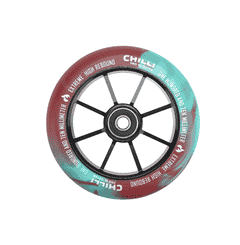
- New
- Lieferumfang: 1 Stk. inkl. Kugellager
- Matching to: 4000, 5000, Base S, Base, Rocky, Reaper, Critter, Beast V2, Signatures (Archie Cole), Street (TNT), Izzy
Bei Umbau auf 110 mm Bremse: 3000, Reaper Reloaded, Reaper Reloaded V2, Zero, Zero V2, Sub Zero, Jumpstart, Reaper Venom
CHF 29.90 -
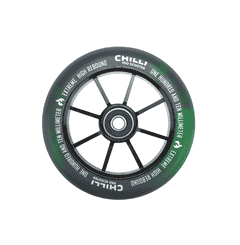
- New
- Lieferumfang: 1 Stk. inkl. Kugellager
- Passend zu: 4000, 5000, Base S, Base, Rocky, Reaper, Critter, Beast V2, Signatures (Archie Cole), Street (TNT), Izzy
Bei Umbau auf 110 mm Bremse: 3000, Reaper Reloaded, Reaper Reloaded V2, Zero, Zero V2, Sub Zero, Jumpstart, Reaper Venom
CHF 29.90 -

- New
- Lieferumfang: 1 Stk. inkl. Kugellager
- Matching To: 4000, 5000, Base S, Base, Rocky, Reaper, Critter, Beast V2, Signatures (Archie Cole), Street (TNT), Izzy
Bei Umbau auf 110 mm Bremse: 3000, Reaper Reloaded, Reaper Reloaded V2, Zero, Zero V2, Sub Zero, Jumpstart, Reaper Venom
CHF 29.90 -
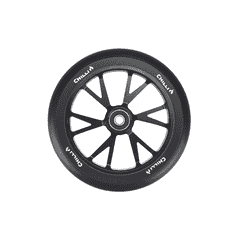
- New
- Matching: Wave Track
CHF 44.90 -
- New
- Matching: Wave Track
CHF 44.90 -
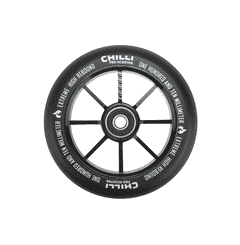
- New
- Lieferumfang: 1 Stk. inkl. Kugellager
- Passend zu: 4000, 5000, Base S, Base, Rocky, Reaper, Critter, Beast V2, Signatures (Archie Cole), Street (TNT), Izzy
Bei Umbau auf 110 mm Bremse: 3000, Reaper Reloaded, Reaper Reloaded V2, Zero, Zero V2, Sub Zero, Jumpstart, Reaper Venom
CHF 29.90 -
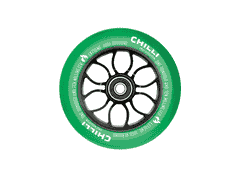
- Included in delivery: 1 pcs. incl. Bearings
- Matching: 4000, 5000, Base S, Base, Rocky, Reaper, Critter, Beast V2, Signatures (Archie Cole), Street (TNT), Izzy, Jumpstart, Wave Track, Reaper Venom, Ventus
When changing to 110 mm Brake: 3000, Reaper Reloaded, Reaper Reloaded V2, Zero, Zero V2, Sub Zero, Ventus
CHF 29.90 -
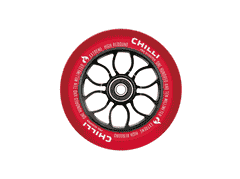
- Included in delivery: 1 pcs. incl. Bearings
- Matching: 4000, 5000, Base S, Base, Rocky, Reaper, Critter, Beast V2, Signatures (Archie Cole), Street (TNT), Izzy, Jumpstart, Wave Track, Reaper Venom, Ventus
When changing to 110 mm Brake: 3000, Reaper Reloaded, Reaper Reloaded V2, Zero, Zero V2, Sub Zero, Ventus
CHF 29.90 -
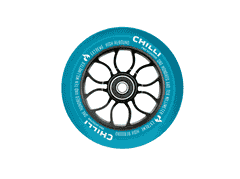
- Included in delivery: 1 pcs. incl. Bearings
- Matching: 4000, 5000, Base S, Base, Rocky, Reaper, Critter, Beast V2, Signatures (Archie Cole), Street (TNT), Izzy, Jumpstart, Wave Track, Reaper Venom, Ventus
When changing to 110 mm Brake: 3000, Reaper Reloaded, Reaper Reloaded V2, Zero, Zero V2, Sub Zero, Ventus
CHF 29.90 -
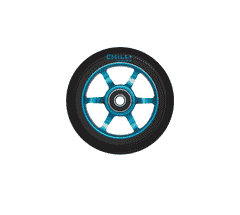
- Included in delivery: 1 pcs. incl. Bearings
- Matching: 3000
When changing to 100 mm Brake: 4000, 5000, Base S, Base, Rocky, Reaper, Critter, Reaper Reloaded, Reaper Reloaded V2, Beast V2, Signatures (Archie Cole), Street (TNT), Zero, Zero V2, Sub Zero, Izzy
CHF 29.90 -
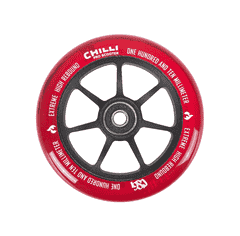
- New
- Included in delivery: 1 pcs. incl. Bearings
- Matching: 4000, 5000, Base S, Base, Rocky, Reaper, Critter, Beast V2, Signatures (Archie Cole), Street (TNT), Izzy, Jumpstart, Wave Track, Reaper Venom, Ventus, Wave Track, Jumpstart, Reaper Venom
When changing to 110 mm Brake: 3000, Reaper Reloaded, Reaper Reloaded V2, Zero, Zero V2, Sub Zero,
CHF 29.90 -
- New
- Matching: Trooper
CHF 49.90 -
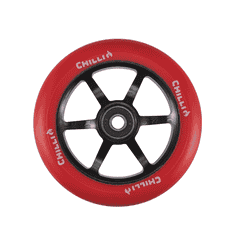
- Lieferumfang: 1 Stk. inkl. Kugellager
- Passend zu: 4000, 5000, Base S, Base, Rocky, Reaper, Critter, Beast V2, Signatures (Archie Cole), Street (TNT), Izzy
Bei Umbau auf 110 mm Bremse: 3000, Reaper Reloaded, Reaper Reloaded V2, Zero, Zero V2, Sub Zero
CHF 29.90 -
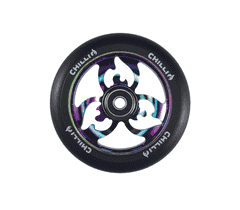
- Included in delivery: 1 pcs. incl. Bearings
- Matching: 4000, 5000, Base S, Base, Rocky, Reaper, Critter, Beast V2, Signatures (Archie Cole), Street (TNT), Izzy
When changing to 110 mm Brake: 3000, Reaper Reloaded, Reaper Reloaded V2, Zero, Zero V2, Sub Zero, Ventus
CHF 39.90 -
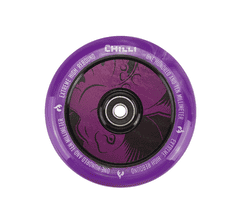
- Included in delivery: 1 pcs. incl. Bearings
- Matching: 4000, 5000, Base S, Base, Rocky, Reaper, Critter, Beast V2, Signatures (Archie Cole), Street (TNT), Izzy, Jumpstart, Wave Track, Reaper Venom, Ventus
When changing to 110 mm Brake: 3000, Reaper Reloaded, Reaper Reloaded V2, Zero, Zero V2, Sub Zero, Ventus
CHF 39.90


