
Material Science Wheels
The right scooter wheels depend on your riding style, your level of experience and your scooter model. Make sure that the wheels are compatible and meet your requirements. This will ensure maximum safety, control and fun while riding.
1. Diameter (size)
• 100 mm: Ideal for beginners and children. Very manoeuvrable and lightweight.
• 110 mm: Standard size for most scooters. Good balance between speed and control.
• 120 mm: For advanced riders who want higher speed and stability when jumping.
• 145 mm: For maximum speed and better performance over longer distances, more commonly found on specialised scooters.
• 150 mm: For maximum speed and better performance over longer distances, more commonly found on specialised scooters.
Tip: Make sure that the deck and fork support the desired wheel size.
2. Hardness (durometer)
The hardness of a scooter wheel is indicated on the durometer scale. Common values range between 82A and 88A:
• 82A – 84A: Soft wheels – offer plenty of grip, ideal for roads or uneven surfaces. Disadvantage: faster wear.
• 86A – 88A: Harder wheels – last longer and are faster on smooth surfaces such as skate parks. However, they are slightly more slippery.
3. Material
• Polyurethane (PU): Standard material for scooter wheels, durable and comfortable.
• Aluminium core: Additional stability and durability.
4. Check compatibility
Not all wheels fit every deck or fork. Pay attention to:
• Axle diameter: Standard 8 mm
Fork width: Make sure the fork can accommodate the width of the wheels. The width of the wheels usually varies between 24 mm (standard) and 28 mm (fat wheels):
24 mm: Most common width – fits most scooter models, good all-rounder.
28 mm: More contact surface, therefore better grip – popular with street riders who need a lot of control.
100mm WHEEL
-
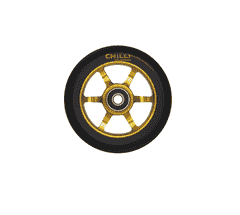
- Included in delivery: 1 pcs. incl. Bearings
- Matching: 3000
When changing to 100 mm Brake: 4000, 5000, Base S, Base, Rocky, Reaper, Critter, Reaper Reloaded, Reaper Reloaded V2, Beast V2, Signatures (Archie Cole), Street (TNT), Zero, Zero V2, Sub Zero, Izzy
CHF 29.90 -
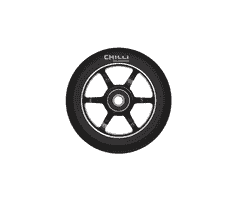
- Included in delivery: 1 pcs. incl. Bearings
- Matching: 3000
When changing to 100 mm Brake: 4000, 5000, Base S, Base, Rocky, Reaper, Critter, Reaper Reloaded, Reaper Reloaded V2, Beast V2, Signatures (Archie Cole), Street (TNT), Zero, Zero V2, Sub Zero, Izzy
CHF 29.90 -
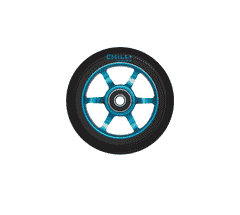
- Included in delivery: 1 pcs. incl. Bearings
- Matching: 3000
When changing to 100 mm Brake: 4000, 5000, Base S, Base, Rocky, Reaper, Critter, Reaper Reloaded, Reaper Reloaded V2, Beast V2, Signatures (Archie Cole), Street (TNT), Zero, Zero V2, Sub Zero, Izzy
CHF 29.90 -
- Included in delivery: 1 pcs. incl. Bearings
- Matching: 3000
When changing to 100 mm Brake: 4000, 5000, Base S, Base, Rocky, Reaper, Critter, Reaper Reloaded, Reaper Reloaded V2, Beast V2, Signatures (Archie Cole), Street (TNT), Zero, Zero V2, Sub Zero, Izzy
CHF 29.90 -
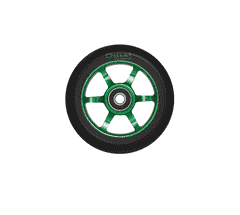
- Included in delivery: 1 pcs. incl. Bearings
- Matching: 3000
When changing to 100 mm Brake: 4000, 5000, Base S, Base, Rocky, Reaper, Critter, Reaper Reloaded, Reaper Reloaded V2, Beast V2, Signatures (Archie Cole), Street (TNT), Zero, Zero V2, Sub Zero, Izzy
CHF 29.90


110mm WHEEL
-

- New
- Lieferumfang: 1 Stk. inkl. Kugellager
- Matching To: 4000, 5000, Base S, Base, Rocky, Reaper, Critter, Beast V2, Signatures (Archie Cole), Street (TNT), Izzy
Bei Umbau auf 110 mm Bremse: 3000, Reaper Reloaded, Reaper Reloaded V2, Zero, Zero V2, Sub Zero, Jumpstart, Reaper Venom
CHF 29.90 -
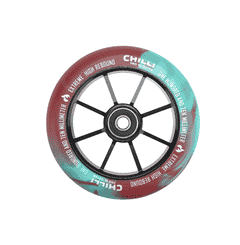
- New
- Lieferumfang: 1 Stk. inkl. Kugellager
- Matching to: 4000, 5000, Base S, Base, Rocky, Reaper, Critter, Beast V2, Signatures (Archie Cole), Street (TNT), Izzy
Bei Umbau auf 110 mm Bremse: 3000, Reaper Reloaded, Reaper Reloaded V2, Zero, Zero V2, Sub Zero, Jumpstart, Reaper Venom
CHF 29.90 -
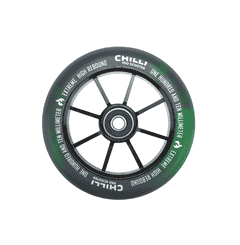
- New
- Lieferumfang: 1 Stk. inkl. Kugellager
- Passend zu: 4000, 5000, Base S, Base, Rocky, Reaper, Critter, Beast V2, Signatures (Archie Cole), Street (TNT), Izzy
Bei Umbau auf 110 mm Bremse: 3000, Reaper Reloaded, Reaper Reloaded V2, Zero, Zero V2, Sub Zero, Jumpstart, Reaper Venom
CHF 29.90 -
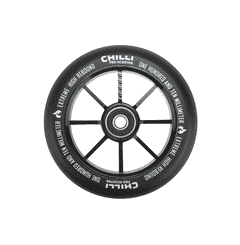
- New
- Lieferumfang: 1 Stk. inkl. Kugellager
- Passend zu: 4000, 5000, Base S, Base, Rocky, Reaper, Critter, Beast V2, Signatures (Archie Cole), Street (TNT), Izzy
Bei Umbau auf 110 mm Bremse: 3000, Reaper Reloaded, Reaper Reloaded V2, Zero, Zero V2, Sub Zero, Jumpstart, Reaper Venom
CHF 29.90 -
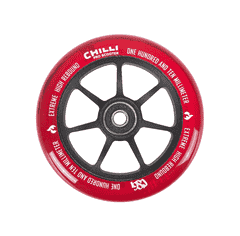
- New
- Included in delivery: 1 pcs. incl. Bearings
- Matching: 4000, 5000, Base S, Base, Rocky, Reaper, Critter, Beast V2, Signatures (Archie Cole), Street (TNT), Izzy, Jumpstart, Wave Track, Reaper Venom, Ventus, Wave Track, Jumpstart, Reaper Venom
When changing to 110 mm Brake: 3000, Reaper Reloaded, Reaper Reloaded V2, Zero, Zero V2, Sub Zero,
CHF 29.90 -
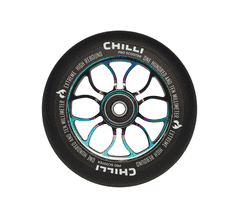
- Included in delivery: 1 pcs. incl. Bearings
- Matching: 4000, 5000, Base S, Base, Rocky, Reaper, Critter, Beast V2, Signatures (Archie Cole), Street (TNT), Izzy, Jumpstart, Wave Track, Reaper Venom, Ventus
When changing to 110 mm Brake: 3000, Reaper Reloaded, Reaper Reloaded V2, Zero, Zero V2, Sub Zero, Ventus
CHF 34.90 -
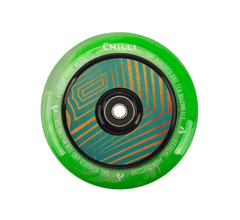
- Included in delivery: 1 pcs. incl. Bearings
- Matching: 4000, 5000, Base S, Base, Rocky, Reaper, Critter, Beast V2, Signatures (Archie Cole), Street (TNT), Izzy, Jumpstart, Wave Track, Reaper Venom, Ventus
When changing to 110 mm Brake: 3000, Reaper Reloaded, Reaper Reloaded V2, Zero, Zero V2, Sub Zero, Ventus
CHF 39.90 -
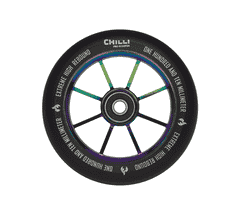
- Included in delivery: 1 pcs. incl. Bearings
- Matching: 4000, 5000, Base S, Base, Rocky, Reaper, Critter, Beast V2, Signatures (Archie Cole), Street (TNT), Izzy, Jumpstart, Wave Track, Reaper Venom, Ventus
When changing to 110 mm Brake: 3000, Reaper Reloaded, Reaper Reloaded V2, Zero, Zero V2, Sub Zero, Ventus
CHF 34.90 -
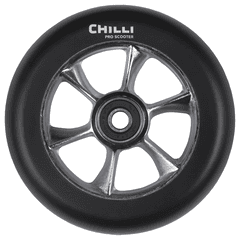
- Included in delivery: 1 pcs. incl. Bearings
- Matching: 4000, 5000, Base S, Base, Rocky, Reaper, Critter, Beast V2, Signatures (Archie Cole), Street (TNT), Izzy
When changing to 110 mm Brake: 3000, Reaper Reloaded, Reaper Reloaded V2, Zero, Zero V2, Sub Zero, Ventus
CHF 39.90 -
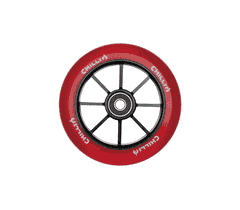
- Included in delivery: 1 pcs. incl. Bearings
- Matching: 4000, 5000, Base S, Base, Rocky, Reaper, Critter, Beast V2, Signatures (Archie Cole), Street (TNT), Izzy
When changing to 110 mm Brake: 3000, Reaper Reloaded, Reaper Reloaded V2, Zero, Zero V2, Sub Zero, Ventus
CHF 29.90 -
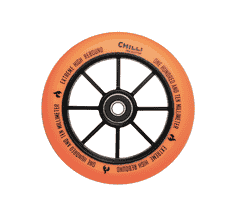
- Included in delivery: 1 pcs. incl. Bearings
- Matching: 4000, 5000, Base S, Base, Rocky, Reaper, Critter, Beast V2, Signatures (Archie Cole), Street (TNT), Izzy, Jumpstart, Wave Track, Reaper Venom, Ventus
When changing to 110 mm Brake: 3000, Reaper Reloaded, Reaper Reloaded V2, Zero, Zero V2, Sub Zero, Ventus
CHF 24.90 -
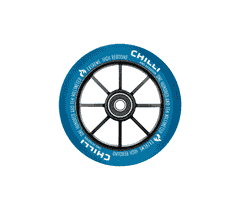
- Included in delivery: 1 pcs. incl. Bearings
- Matching: 4000, 5000, Base S, Base, Rocky, Reaper, Critter, Beast V2, Signatures (Archie Cole), Street (TNT), Izzy, Jumpstart, Wave Track, Reaper Venom, Ventus
When changing to 110 mm Brake: 3000, Reaper Reloaded, Reaper Reloaded V2, Zero, Zero V2, Sub Zero, Ventus
CHF 29.90 -
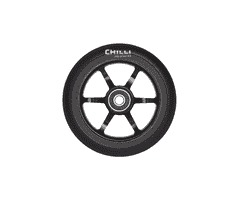
- Included in delivery: 1 pcs. incl. Bearings
- Matching: 4000, 5000, Base S, Base, Rocky, Reaper, Critter, Beast V2, Signatures (Archie Cole), Street (TNT), Izzy, Jumpstart, Wave Track, Reaper Venom, Ventus
When changing to 110 mm Brake: 3000, Reaper Reloaded, Reaper Reloaded V2, Zero, Zero V2, Sub Zero, Ventus
CHF 29.90 -
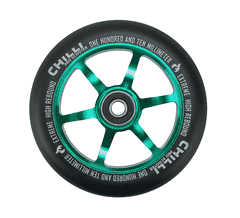
- Included in delivery: 1 pcs. incl. Bearings
- Matching: 4000, 5000, Base S, Base, Rocky, Reaper, Critter, Beast V2, Signatures (Archie Cole), Street (TNT), Izzy, Jumpstart, Wave Track, Reaper Venom, Ventus
When changing to 110 mm Brake: 3000, Reaper Reloaded, Reaper Reloaded V2, Zero, Zero V2, Sub Zero, Ventus
CHF 29.90 -
- Included in delivery: 1 pcs. incl. Bearings
- Matching: 4000, 5000, Base S, Base, Rocky, Reaper, Critter, Beast V2, Signatures (Archie Cole), Street (TNT), Izzy, Jumpstart, Wave Track, Reaper Venom, Ventus
When changing to 110 mm Brake: 3000, Reaper Reloaded, Reaper Reloaded V2, Zero, Zero V2, Sub Zero, Ventus
CHF 29.90 -
- Included in delivery: 1 pcs. incl. Bearings
- Matching: 4000, 5000, Base S, Base, Rocky, Reaper, Critter, Beast V2, Signatures (Archie Cole), Street (TNT), Izzy, Jumpstart, Wave Track, Reaper Venom, Ventus
When changing to 110 mm Brake: 3000, Reaper Reloaded, Reaper Reloaded V2, Zero, Zero V2, Sub Zero, Ventus
CHF 29.90 -
- Included in delivery: 1 pcs. incl. Bearings
- Matching: 4000, 5000, Base S, Base, Rocky, Reaper, Critter, Beast V2, Signatures (Archie Cole), Street (TNT), Izzy, Jumpstart, Wave Track, Reaper Venom, Ventus
When changing to 110 mm Brake: 3000, Reaper Reloaded, Reaper Reloaded V2, Zero, Zero V2, Sub Zero, Ventus
CHF 29.90


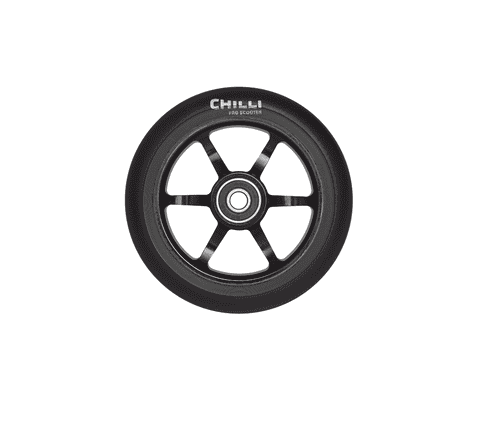


120mm WHEEL
-
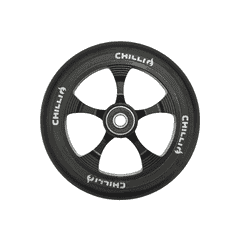
- Included in delivery: 1 pcs. incl. Bearings
- Matching: Reaper Reloaded, Reaper Reloaded V2, Zero, Zero V2, Sub Zero
When changing to 120 mm Brake: 3000, 4000, 5000, Reaper, Critter, Beast V2, Signatures (Archie Cole), Street (TNT), Izzy
CHF 34.90 -
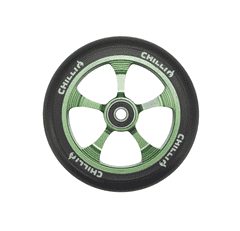
- Included in delivery: 1 pcs. incl. Bearings
- Matching: Reaper Reloaded, Reaper Reloaded V2, Zero, Zero V2, Sub Zero
When changing to 120 mm Brake: 3000, 4000, 5000, Reaper, Critter, Beast V2, Signatures (Archie Cole), Street (TNT), Izzy
CHF 34.90 -
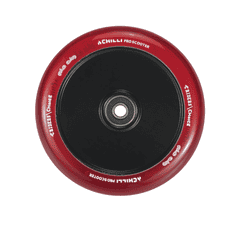
- Included in delivery: 1 pcs. incl. Bearings
- Matching: Reaper Reloaded, Reaper Reloaded V2, Zero, Zero V2, Sub Zero
When changing to 120 mm Brake: 3000, 4000, 5000, Reaper, Critter, Beast V2, Signatures (Archie Cole), Street (TNT), Izzy
CHF 39.90 -
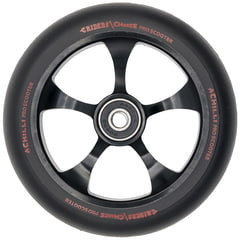
- Included in delivery: 1 pcs. incl. Bearings
- Matching: Reaper Reloaded, Reaper Reloaded V2, Zero, Zero V2, Sub Zero
When changing to 120 mm Brake: 3000, 4000, 5000, Reaper, Critter, Beast V2, Signatures (Archie Cole), Street (TNT), Izzy
CHF 34.90


145mm WHEEL
-
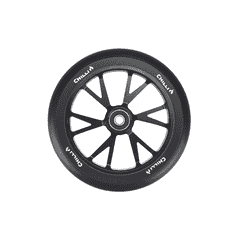
- New
- Matching: Trooper
CHF 49.90

150mm WHEEL
-
- New
- Matching: Wave Track
CHF 44.90 -
- New
- Matching: Wave Track
CHF 44.90


